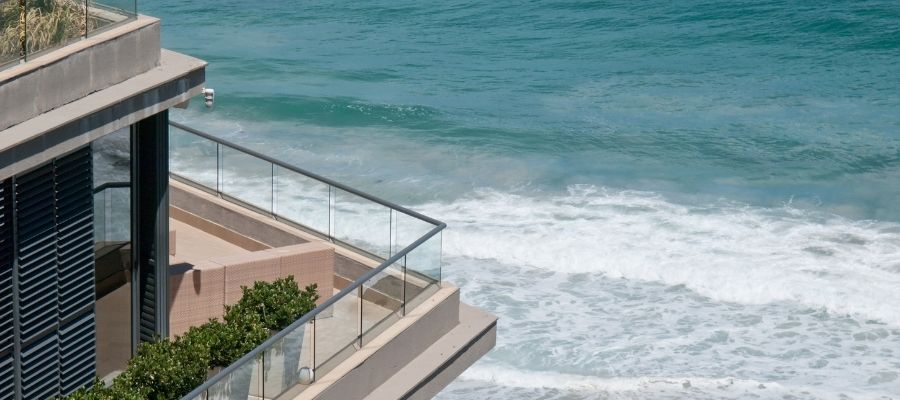
Holiday Homes & Tax
The ATO is cracking down on holiday property owners who claim tax deductions while primarily using their property for personal enjoyment.
The Key Issue
All rental income must be declared — but if the ATO decides your property is really a holiday home rather than a genuine rental investment, you could lose access to most of your deductions. That means no claims for interest, rates, land tax, or repairs, even if you do rent it out part of the year.
The ATO is paying close attention to properties that are blocked out during peak periods like school holidays or ski season, advertised inconsistently or above market rates, or generating ongoing tax losses year after year.
How Expenses Work
Even if your property isn’t classed as a holiday home, you’ll likely need to split expenses between personal and rental use. The ATO requires any apportionment to be “fair and reasonable,” typically based on the number of days rented or the area of the property used for rental.
The Financial Impact
Getting it wrong can be costly. A holiday unit earning $30,000 in off-peak rent but kept private during peak periods could see deductible expenses slashed dramatically — significantly increasing your tax bill.
What to Do Now
New rules are proposed to apply from 1 July 2026, but it’s worth acting now:
- Advertise your property consistently, including during peak periods, at market rates
- Keep thorough records — booking calendars, ads, enquiries, and a diary of personal vs rental use
- Review your ownership structure and how the property is operated
- If you may qualify for transitional relief (for arrangements in place before 12 November 2025), gather your evidence now
The ATO isn’t banning deductions on holiday homes — but the rules are tightening. With the right approach, many owners can still claim legitimate deductions and protect their cash flow. If you have any questions regarding Holiday Houses or Investment Properties and Tax don’t hesitate to contact us at STS Accounting.